
The Hidden Costs of Shipping Air: Maximizing Density for LTL Shipping Efficiency
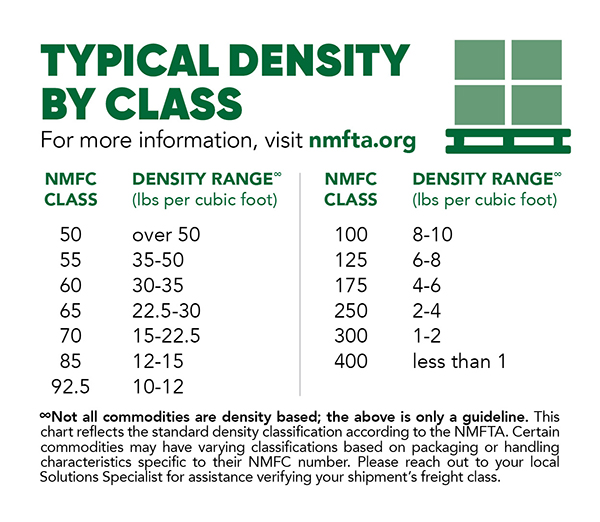
Freight density is a key factor in determining your freight class and, by extension, your LTL shipping costs. For less-than-truckload (LTL) shippers, the dimensions and density of a shipment directly shape how much you pay and how efficiently your freight moves through the network. The National Motor Freight Traffic Association (NMFTA) began a density-based overhaul of the National Motor Freight Classification (NMFC) system in July 2025. That work has continued into 2026, shifting thousands of commodities onto a density-driven scale. With density now playing a larger role in how freight is classified, it is worth examining how your shipments are packaged and palletized to find opportunities to improve efficiency.
What Is Freight Density and Why Does It Matter?
Density is calculated as the pounds per cubic foot of a shipment and is a key factor in determining the freight class of your freight. Shipments with a higher density typically have a lower freight class, while shipments with a lower density are usually associated with a higher freight class. Because freight class is one of the key components that determines freight charges, accurate density calculations help you avoid paying for wasted space. For LTL carriers, those same calculations are essential for optimizing space utilization across the network and minimizing wasted capacity. Not sure where your shipment lands? OD's Density Calculator makes it easy to run the numbers before your freight leaves the dock.
Density isn't the only measurement you'll encounter. Parcel carriers often price by dimensional weight, which works differently. To see how the two compare and when each one applies, read our article on freight density vs. dimensional weight.
How to Maximize Freight Density
With freight density playing a larger role in classification, now is a good time to review how your product is packaged and palletized for your LTL carrier. Here are five ways to maximize freight density.
Review Your Packaging Materials
Corrugated fiberboard or recycled rigid plastic are ideal packing materials for LTL shipments. They are durable enough to withstand the rigors of transportation while ensuring that your goods stay protected during transit. You may also want to consider investing in customized packaging solutions that fit your product's dimensions precisely, as this can help reduce empty space. It is important to remember when shipping that density is calculated based on the greatest dimensions of your shipment. If you are utilizing pallets or packaging that are significantly larger than your commodity, you are paying for that void space.
Utilize Plastic Film
Plastic film, such as stretch wrap, is used to bundle products together and secure them to pallets, allowing them to be stacked without compromising the integrity of the goods. By using plastic film, shippers can create a more compact and stable load, reducing the amount of empty space and increasing freight density.
Use Stackable Configurations
Whenever feasible, opt for sturdy packaging that is conducive to stacking. Stackable unitized loads on pallets and rigid containers allow for more efficient use of vertical space while maintaining stability. Additionally, stackable configurations can be easily secured to the pallet with stretch wrap or metal bands for added stability.
Rethink Packaging Design
Use smaller boxes or containers wherever possible to minimize wasted space. Dense packaging configurations can help you avoid oversized, under-filled packaging that inflates dimensional space. Combine lighter items into a single shipment to achieve higher density.
Train Employees on Freight Density Metrics
Ensure shipping teams understand how to calculate density and its impact on LTL shipping costs. Encourage them to look for ways to increase shipment density and reduce dimensional weight.
Balancing Density and Proper Packaging
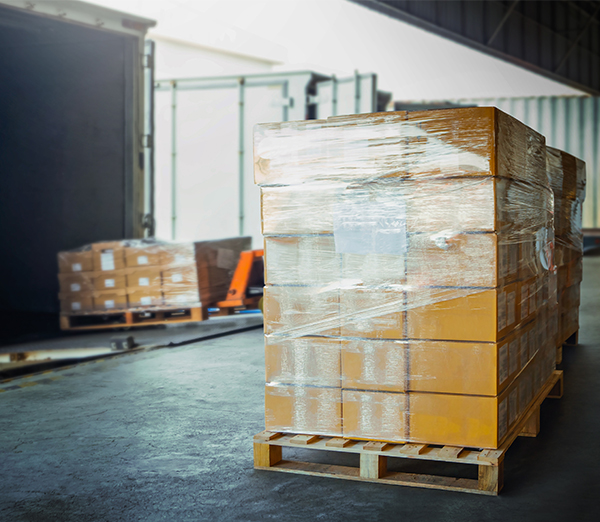
Optimizing density is important, and shippers can further enhance their approach by ensuring their freight is appropriately packaged. However, increasing density at the expense of packaging can be costly. This can result in loss, damage, and dissatisfied customers. Additionally, in the absence of proper packaging that adheres to the NMFC's minimum packaging requirements, shippers may not receive favorable cargo claims outcomes should their freight be damaged in transit.
Insufficient packaging is likely to result in freight being damaged during transit, resulting in additional costs and delays as shipments may be rejected or held up while carriers rewrap and secure them. Reweighs and reclassifications can follow the same pattern—small data gaps at the dock that ripple into invoice adjustments and planning headaches. For a closer look at how accurate weights and dimensions help prevent these issues, see our white paper on data accuracy in LTL shipping. These issues highlight the importance of investing in high-quality packaging to protect products and optimize the shipping process.
To strike the right balance, invest in durable and space-efficient packaging materials. Protective elements, such as bubble wrap or foam, should be used to the extent that they maintain product integrity without wasting space. Freight templates and professional packaging audits can also help ensure compliance while maintaining density goals.
For more guidance, review these five packing and palletizing tips from our shipping experts, or download OD's packaging poster.